How do we achieve lasting quality?
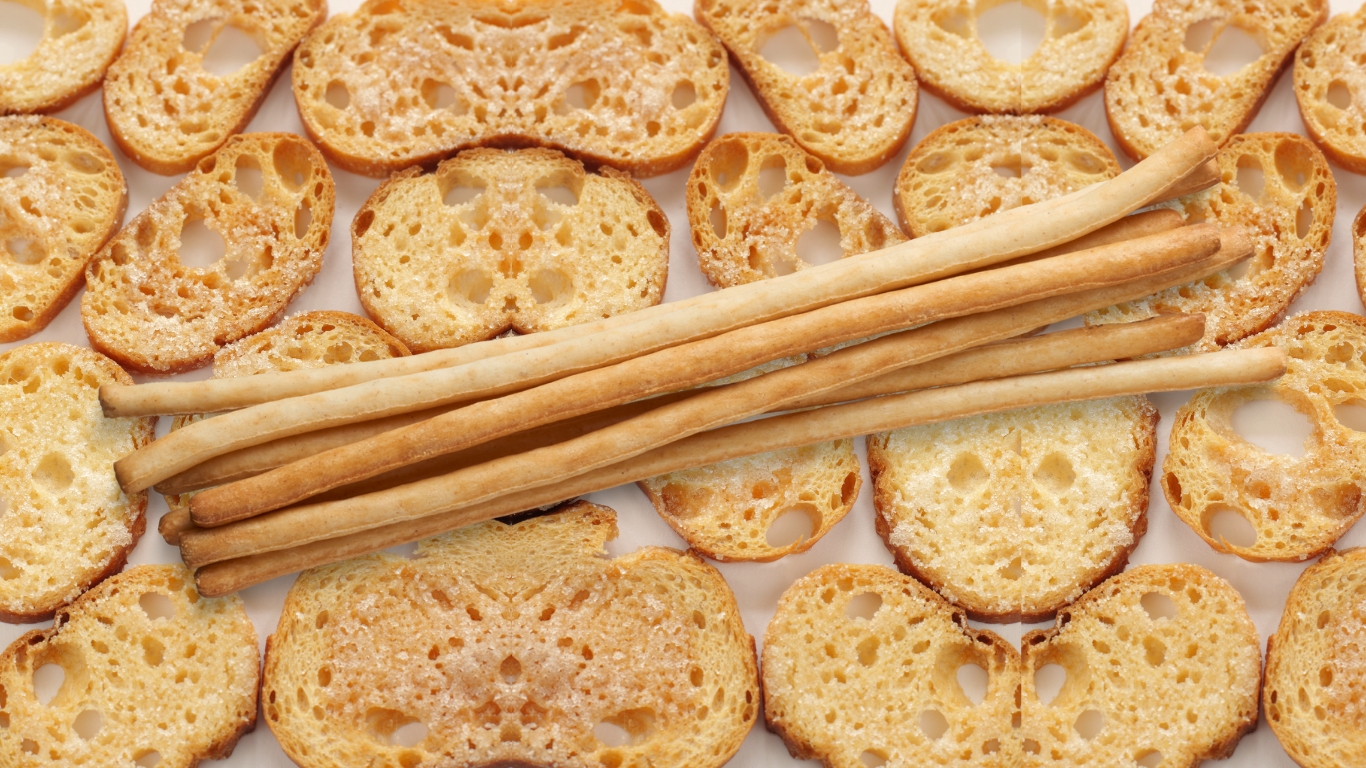
Lines for rusks and crisp breads must ensure uniform baking, progressive moisture removal and structural stability in the finished product.
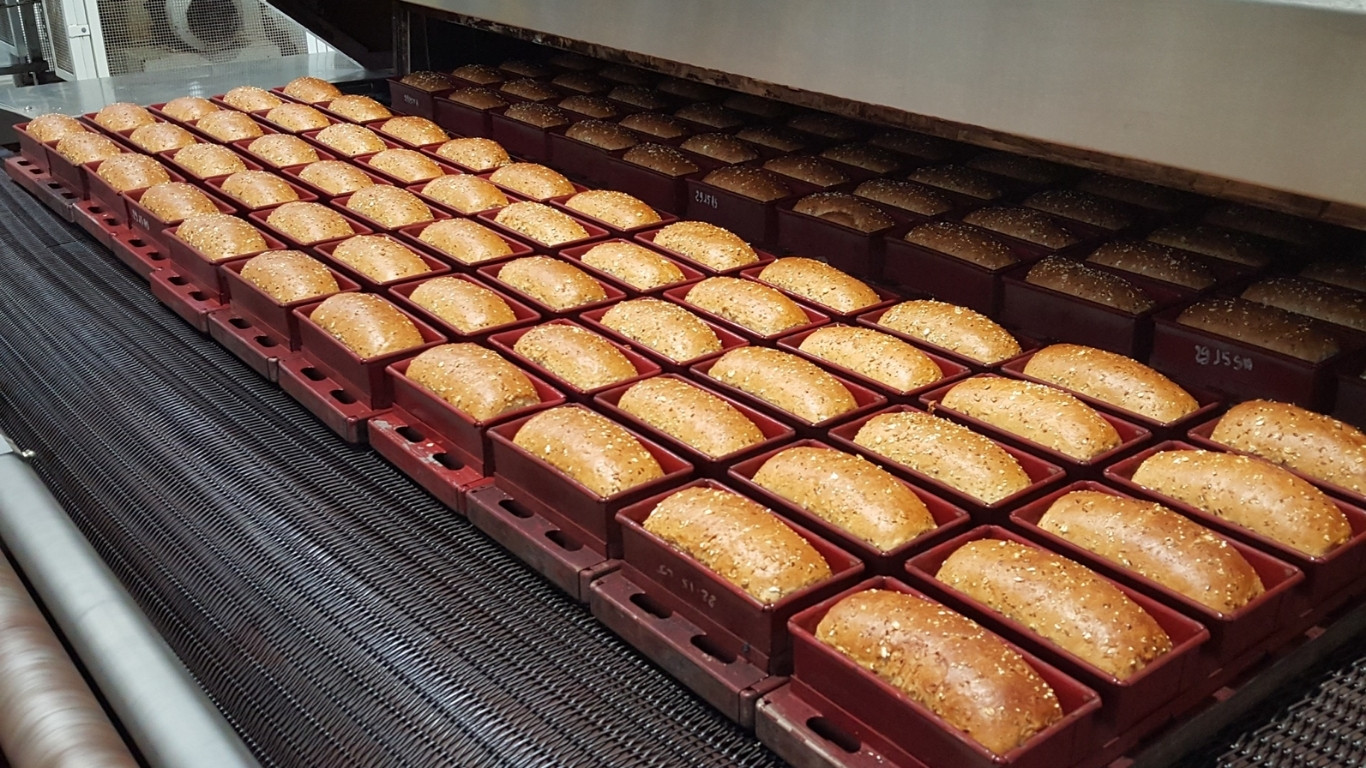
The wire mesh belt tunnel ovens are the best solution for this production, providing zone-controlled baking and a gradual transition to drying.
Baking control
Initial baking defines the texture and stability of rusks and crisp breads. This stage aims for uniform baking to ensure:
- Uniform development of the internal structure without excessive stress in the crust.
- Precise control of expansion and air cell formation, depending on the product (rusks, breadsticks or mini breadsticks).
- Optimised temperature and airflow in the wire mesh belt oven, preventing surface overbaking and ensuring progressive drying.
Progressive drying
Residual moisture affects the product’s final texture, mechanical strength and shelf life. Moisture is reduced during a gradual drying stage to prevent structural defects.
- Precise control of final moisture content according to the product type (10–12% for rusks, 8–10% for grissini and <8% for mini breadsticks).
- Progressive water removal without thermal shock, preventing cracks or a brittle crumb.
- Adjustable ventilation and temperature in separate zones, ensuring uniform evaporation without premature hardening.
Cooling and final slicing
An essential part of this process is temperature stabilisation before slicing, packaging or storage. Poorly managed cooling can cause internal condensation, loss of texture and product waste.
- Staged cooling: natural or forced, depending on the product and production volume.
- Slicing synchronised with bread texture, preventing breakage and waste.
- Double baking (where applicable): rusks and crisp toasts require portioning and a second bake after slicing to achieve their crisp texture.
Stabilisation and packaging
Once the desired final moisture level is reached, the product is stabilised to ensure lasting crispness. This stage prevents moisture reabsorption and maintains product quality during storage.
- Controlled environmental conditions to prevent moisture absorption after cooling.
- Packaging options: flow wrapping, thermoforming or controlled-atmosphere packaging, depending on the target market.
- Protection against breakage or mechanical damage during transport and distribution.